The Secret of Flowers for Elevating Mood and Enhancing Overall Well-Being
Posted on 20/05/2025
The Secret of Flowers for Elevating Mood and Enhancing Overall Well-Being
Flowers have enchanted civilizations for centuries with their vibrant colors, enticing fragrances, and symbolic meanings. But beyond their aesthetic delight, these natural wonders possess a hidden power: they can dramatically uplift your spirit and support a healthy, happy life. The secret of flowers for elevating mood and enhancing overall well-being is grounded in both science and ancient wisdom. If you're seeking a simple yet powerful way to boost happiness and nurture mental health, flowers may be your natural solution.
Why Flowers are More Than Just Pretty Decor
Many people see flowers as mere ornaments to brighten a room or mark a special occasion. However, flowers for mood elevation have been revered for their therapeutic benefits throughout history. From stress relief to emotional healing, the influence of blooms extends far beyond their beauty.
- Flowers trigger positive emotions. Just receiving flowers can spark joy and gratitude.
- Blooms can soothe anxiety. Their natural presence helps reduce nervous energy and creates calm.
- Floral scents influence the mind. Aromatherapy relies heavily on floral extracts for emotional balance.
- Flowers connect us with nature. Exposure to greenery and flora is linked to overall well-being.
The Connection Between Flowers and Mental Health
Numerous studies reveal a powerful connection between flowers and mental wellness. According to research from Rutgers University, simply being in the presence of fresh flowers triggers a long-term positive effect on moods. Not only did participants report feeling less anxious and stressed, but they also felt more satisfied with their lives.
Flowers serve as a visual reminder of beauty, growth, and mindfulness. By being present with flowers, individuals experience improved focus and emotional grounding.

The Science Behind Flowers for Mood Elevation and Well-Being
It may seem magical, but there's a clear scientific explanation behind how flowers enhance happiness and wellness. Let's explore some key findings:
The Role of Color in Boosting Happiness
The color psychology of flowers cannot be understated. Bright, bold colors like yellows, oranges, and pinks are known to stimulate joy and creativity. Soft pastels like lavender, white, and light blue encourage calm, peace, and relaxation. Incorporating a colorful array of flowers in your space will:
- Stimulate positive feelings and energy
- Encourage relaxation or focus, depending on the hue
- Transform dull environments into uplifting spaces
Fragrance and Aromatherapy Benefits
Floral scents are central to the practice of aromatherapy, which uses the natural aromas of flowers and plants to improve psychological well-being. Certain scents are scientifically proven to:
- Lavender: Reduces anxiety and promotes restful sleep.
- Rose: Lifts the mood and eases depression.
- Jasmine: Alleviates stress and increases alertness.
- Geranium: Balances the emotions and relieves tension.
Introducing these naturally fragrant blooms into your daily life is a simple, non-invasive way to integrate mood-enhancing benefits.
Touching and Tending Flowers for Emotional Health
The act of caring for flowers--whether arranging a bouquet, watering houseplants, or tending a garden--provides more than just physical activity. Studies demonstrate that mindful gardening and flower arranging can:
- Reduce cortisol (the stress hormone)
- Improve concentration and attention span
- Offer a sense of accomplishment and control
Even a single stem in a vase invites mindfulness and connection.
Flowers in Cultural Traditions: Ancients Knew the Secret
Throughout history, different cultures have relied on flowers for well-being. Let's look at a few fascinating examples:
- The Japanese Art of Ikebana: This meditative flower arrangement emphasizes balance, harmony, and tranquility. Practitioners report greater peace of mind and closer connection with nature.
- Victorian Flower Language: In 19th-century England, flowers conveyed secret messages. Gifting blooms was a way to support friends' emotional health without words.
- Hindu and Buddhist Rituals: Marigolds, lotuses, and jasmines are key in spiritual practices and offerings, believed to purify spaces and elevate vibrations.
Across cultures and continents, flowers serve as sacred tools for creating happiness, meaning, and emotional balance.
Incorporating Floral Magic Into Your Everyday Life
Ready to experience the mood-boosting effects of flowers for yourself? Here's how you can infuse your surroundings, routines, and relationships with floral beauty and well-being.
Home and Workspace Transformation
- Fresh Flowers in Living Spaces: Place a vibrant arrangement where you relax most. Common spots include the dining table, bedside, entryway, or work desk.
- Houseplants for Year-Round Vitality: Orchids, peace lilies, and anthuriums not only clean the air but offer continuous visual delight.
- DIY Flower Arrangements: Arranging your own bouquets boosts mindfulness and creativity--a double dose of mood-enhancing benefits.
- Using Dried or Pressed Flowers: For a lasting, low-maintenance option, decorate with preserved flowers in frames or shadow boxes.
- Floral-Inspired Art and Prints: Even floral images can help set a joyful, positive tone in a room.
The Power of Gifting Flowers
One of the oldest forms of kindness, giving flowers, is a proven way to support loved ones' happiness and mental health. Benefits include:
- Helping others feel seen, valued, and nurtured
- Strengthening bonds and deepening social connections
- Creating meaningful, memorable experiences
Flower Therapy and Self-Care Rituals
Incorporate blooms into your wellness routine for a daily mood boost:
- Floral teas and infusions: Sip chamomile or hibiscus for relaxation.
- Essential oils and flower baths: Use rose or lavender for soothing soaks.
- Floral meditations: Focus on a single flower to anchor yourself in the present moment.
Small floral rituals can create ripples of joy and resilience throughout your day.
What the Research Says: Scientific Proof of Flowers' Mood-Boosting Effects
Still wondering if flowers for emotional well-being really work? Here's a summary of scientific evidence:
- Journal of Physiological Anthropology (2015): Found that workplace flowers reduced stress, increased relaxation, and improved focus among employees.
- Harvard Medical School Study: Participants who had flowers at home experienced less anxiety, more compassion, and stronger everyday satisfaction.
- Rutgers University Research: Receiving flowers promoted immediate happiness in 100% of participants, along with long-term mood elevation and friendlier social behavior.
The secret of flowers for enhancing mood and well-being is now backed by science, affirming that the simple presence of blooms can spark true emotional transformation.
Popular Flowers for Happiness and Their Meanings
- Sunflowers: Represent positivity, good luck, and warmth--perfect for boosting your spirits.
- Roses: Symbolize love, gratitude, and emotional healing.
- Gerbera Daisies: Associated with cheerfulness and vibrant energy.
- Lavender: Calms the mind and encourages restful sleep.
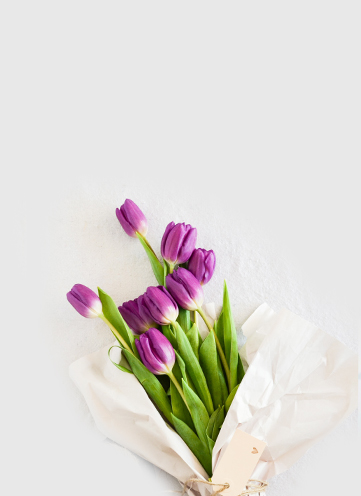
- Tulips: Bring hope and renewal--a wonderful choice for new beginnings.
- Lilies: Offer peace, clarity, and spiritual upliftment.
- Peonies: Promise happiness, abundance, and emotional healing.
Choosing specific flowers based on their symbolic meaning can help amplify your intention for emotional healing and well-being.
Tips for Maximizing the Secret Power of Flowers
- Mix Sensory Elements: Combine colorful flowers with fragrant varieties for a full-body experience.
- Practice Gratitude: As you arrange or notice flowers, silently acknowledge what you're thankful for--this pairs the visual joy with mental positivity.
- Share the Beauty: Brighten someone's day by giving them flowers. The act of giving also elevates your own mood.
- Try Flower-Based Activities: Engage in floral crafts, painting, or photography to immerse yourself in creative joy.
- Bring Nature Indoors: During colder months, bring houseplants and floral elements inside to maintain a steady source of well-being.

Frequently Asked Questions about Flowers and Well-Being
Can artificial flowers have the same effect?
Artificial flowers can offer visual stimulation, but the emotional and mental health benefits are strongest with natural blooms due to their living energy, scent, and connection to nature.
How often should I keep fresh flowers at home?
Ideally, enjoy fresh flowers weekly or bi-weekly. Even a small, seasonal bouquet can make a significant impact throughout your living space.
Which flowers are best for stress relief?
Lavender, chamomile, jasmine, and roses are among the best options for relieving stress and promoting relaxation due to their soothing aromas and calming colors.
Is flower therapy a substitute for professional help?
No, while flowers for mood elevation provide meaningful support, they work best as complementary tools alongside medical or therapeutic interventions for mental health challenges.
Conclusion: Unlocking the Secret of Flowers for Mood and Well-Being
The evidence is clear: Flowers are not just beautiful; they are powerful enhancers of mood and emotional health. Whether you fill your home with fresh arrangements, sip floral teas, or simply pause to admire a wildflower, the secret of flowers for elevating mood and enhancing overall well-being is yours to enjoy. Surround yourself with blooms--and invite more happiness, balance, and vitality into your life, one petal at a time.
Latest Posts
Top 10 Flower Shops in [AREA]: Local Expert Recommendations
Sunflowers and Their Secrets: Explore 8 Lesser-Known Facts
Three Effortless Ways to Keep Flowers Radiant
Your Guide to Healthier, More Vibrant Hydrangeas
Symbolic stories of peony flowers and the meanings of their colors